
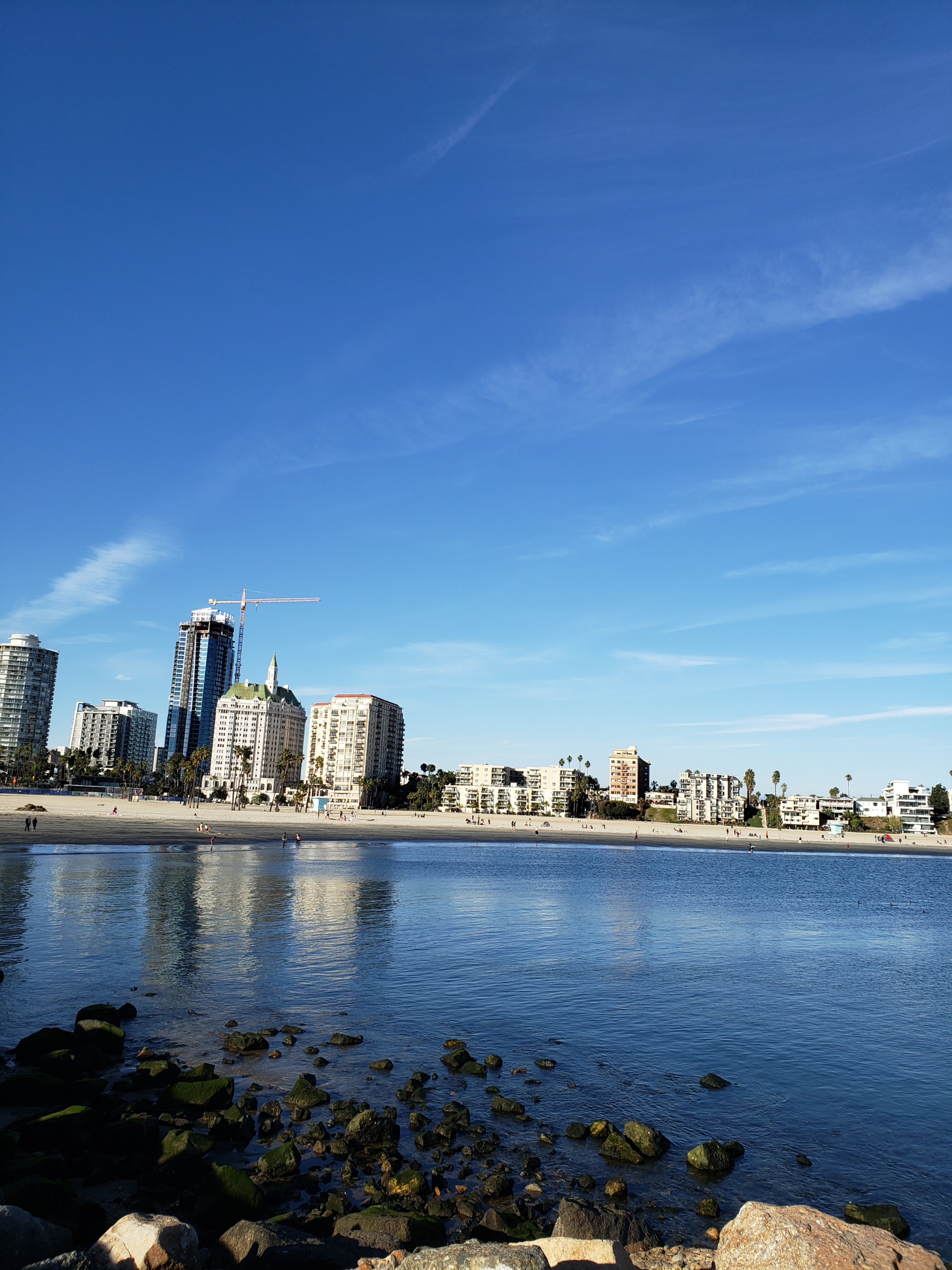
The City of Long Beach is currently in the midst of a historic effort: the Downtown Shoreline Vision Plan. For the first time since the 1970s, the city is reimagining the 300 acres of prime waterfront south of Ocean Boulevard. At the heart of this plan is a phrase that resonates deeply with our mission at Pacific Surf and Trail: “Everyone’s Shoreline.” It is a bold, inclusive promise that the coast should remain a democratic space—accessible, equitable, and resilient for all residents, not just those with a view of the water.
But as “Crunchy Professionals,” we know that vision statements are only as strong as the zoning laws and permit approvals that follow them. While the Draft Vision Concept speaks of “world-class destinations,” it also includes proposals for new hotels, cultural hubs, and research centers. Our role is to ensure that these “big ideas” don’t crowd out the quiet, essential social spaces that make the shoreline feel like home.
The Tension Between Destination and Community The Downtown Shoreline is a unique urban threshold where the Pacific Ocean meets the seventh-largest city in California. It serves as a residential neighborhood, a maritime harbor, and a venue for massive events like the Grand Prix and the upcoming 2028 Games. The challenge arises when these “destination” uses compete with the daily needs of the community.
We are specifically monitoring the “East Shoreline” character area, where the plan explores ways to reclaim public access to the water. We advocate for a “seamless extension” of downtown that prioritizes pedestrians and cyclists over high-speed traffic. The goal is simple: you shouldn’t need a ticket to an event or a reservation at a hotel to feel like you belong on the sand.
Climate Resilience as Social Justice Part of the “Everyone’s Shoreline” vision involves preparing for sea-level rise. The city is proposing nature-based solutions, such as new outdoor wetlands near Rainbow Harbor. This is a victory for the “crunchy” side of our mission—using ecology to protect our social spaces. However, we must remain vigilant that these “resiliency” projects aren’t used as an excuse to restrict public movement or create “exclusive” green zones that serve private developments more than the public at large.
The “Observation Desk” is Open As the city moves from “Vision” to “Specific Plan” in 2025 and 2026, the real work begins. This is the period where “flexible public spaces” are either codified into law or traded away for developer incentives. We are documenting the shoreline as it exists today—the baseline—so we can hold future developments to the high standard of the “Everyone’s Shoreline” promise.
Our Take: A world-class waterfront isn’t defined by the height of its hotels, but by the ease with which a local resident can walk from their front door to the water’s edge.